Olive Oil: A Dalmatian Story in a Bottle

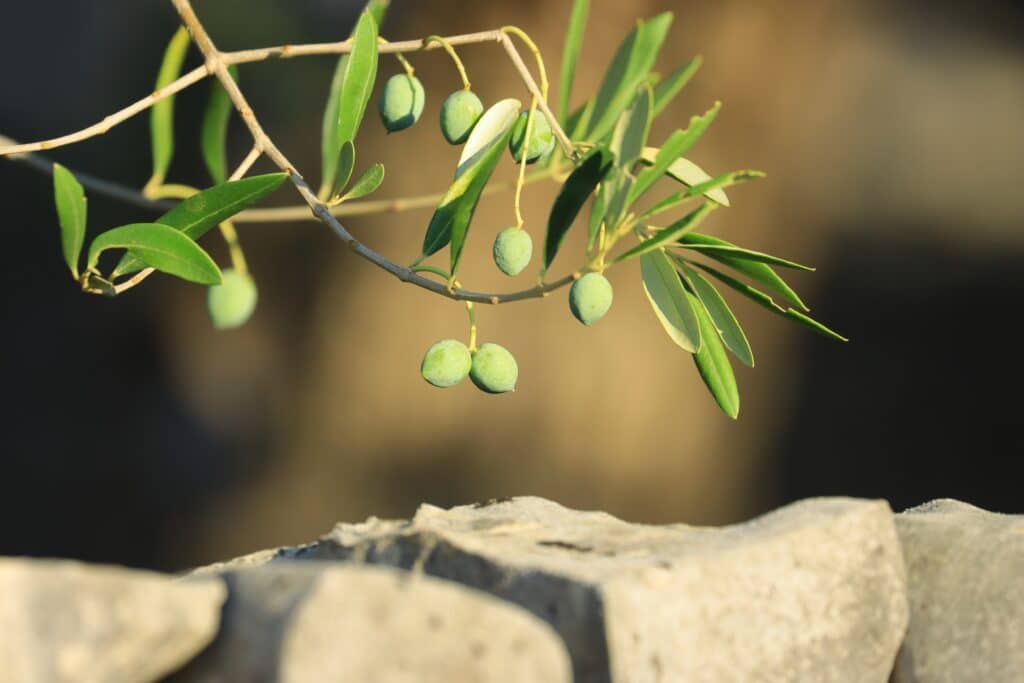
Olive oil is one of the most treasured symbols of the Mediterranean diet and an essential part of the gastronomic heritage of Split-Dalmatia County. Shaped by the sun, stone and sea, it reflects the character of the Dalmatian landscape and the centuries-old bond between people and the olive tree.
Liquid Gold

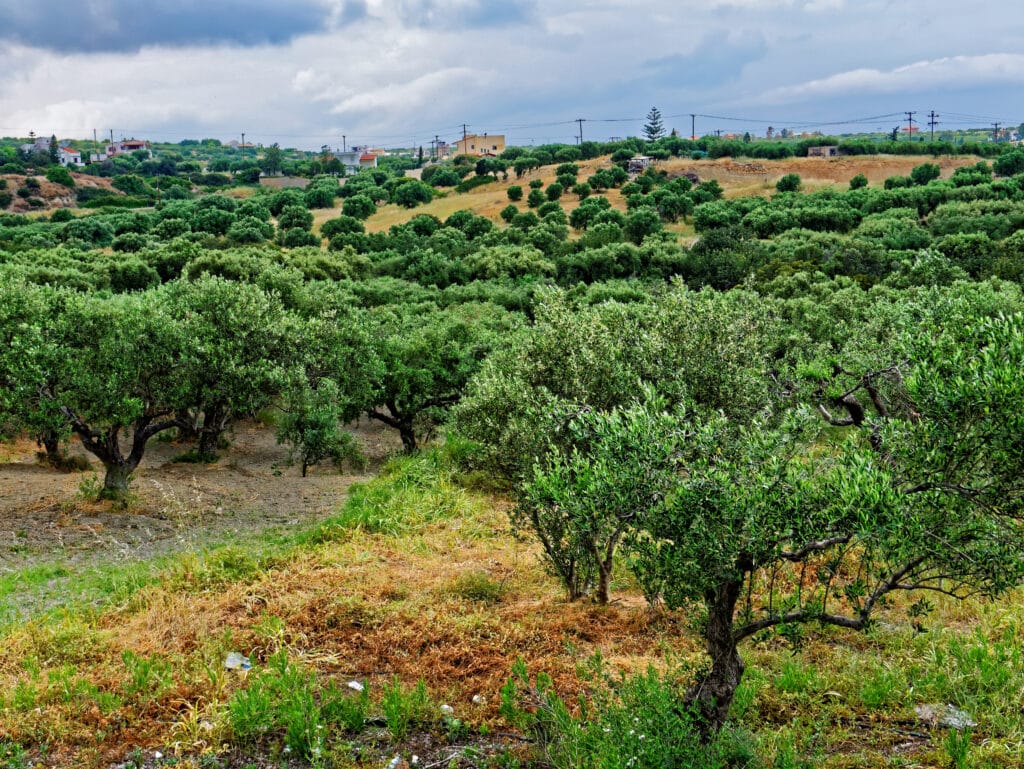
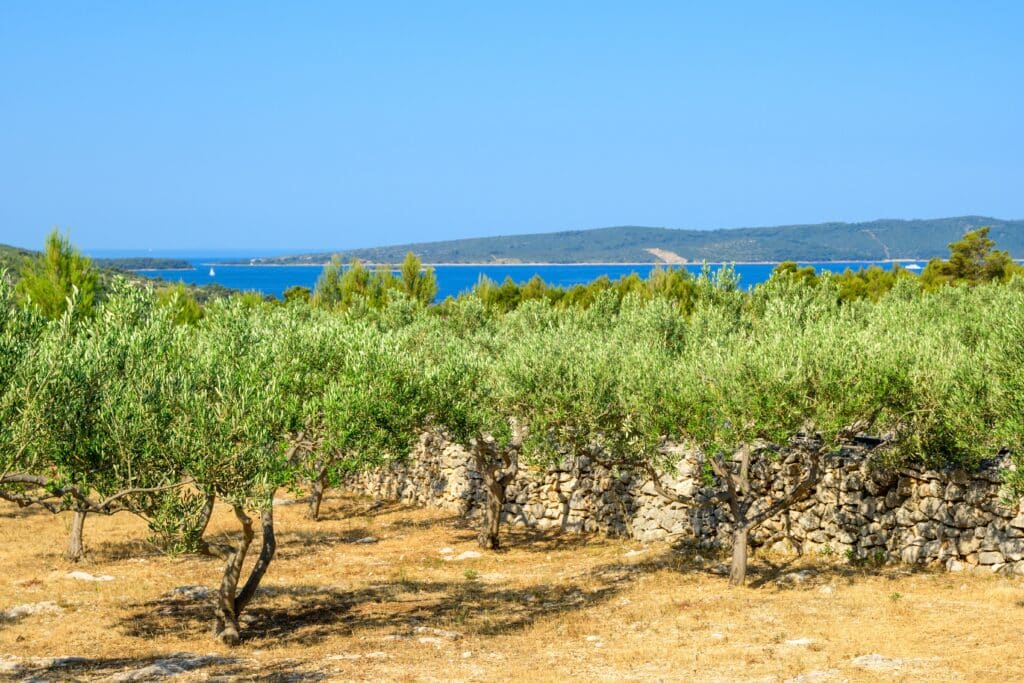
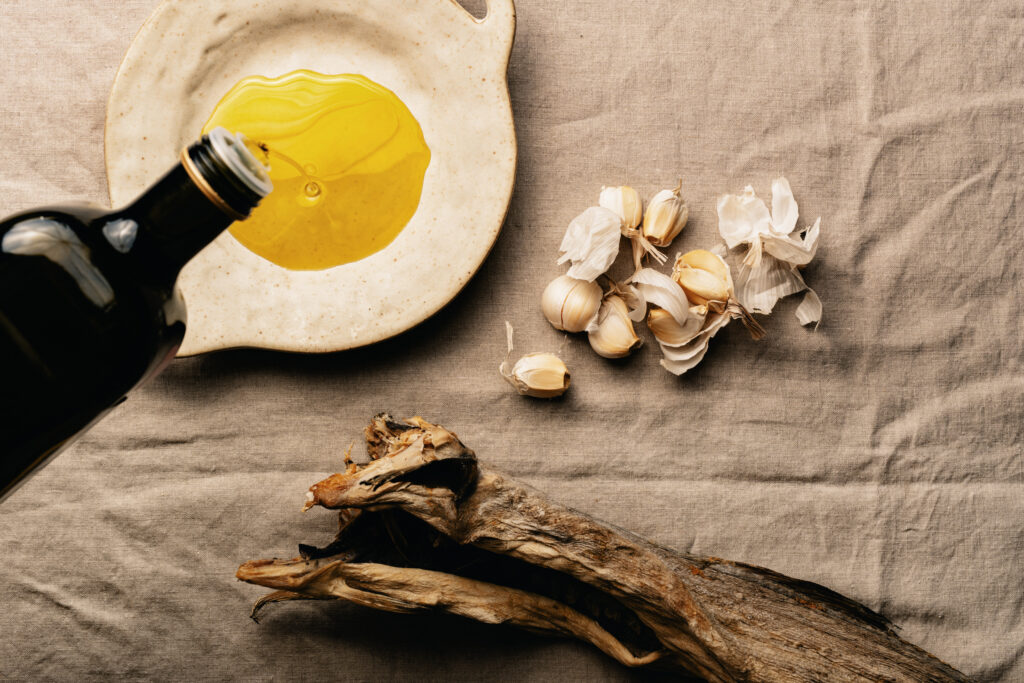
It is an integral part of the table, the landscape and family heritage, found everywhere from the rocky olive groves of Brač, Hvar, Šolta and Vis to those scattered along the coast and throughout the hinterland of Split-Dalmatia County. Shaped by the sun, sea and stone, Dalmatian olive oil carries the distinctive flavour of the land where it is born.

A Tradition Rooted in Dalmatian Soil

Olive growing has been part of everyday life here for centuries. The knowledge of pruning, harvesting and processing olives has been passed down from generation to generation, while olive groves continue to shape the landscape of the islands and coastline. That is why every bottle of quality olive oil also tells the story of the people behind it.

The Mediterranean climate, with its abundance of sunny days, mild winters and the influence of the sea, provides ideal conditions for olive cultivation. The uniqueness of local production lies in the combination of natural factors, carefully selected varieties and the expertise of olive growers, who devote special care to nurturing their trees and overseeing every stage of the production process.

From the Olive Grove to the Bottle

The journey towards producing high-quality olive oil begins in the olive grove, with the careful selection of the right time to harvest. The timing of the harvest, the condition of the fruit and the speed of processing all have a significant impact on the aroma, flavour and quality of the final product. After harvesting, the olives are processed with particular care to preserve their natural properties.

Extra virgin olive oil is obtained exclusively through mechanical processes, without chemical refining, and must meet established chemical and sensory criteria. Its quality is recognised by the harmonious balance of fruity aromas, bitterness and pungency, the intensity of which depends on the olive variety, the ripeness of the fruit and the production conditions.

The aroma and flavour of high-quality Dalmatian olive oil may reveal notes of freshly cut grass, olive leaves, artichoke, almond and other fresh plant-based aromas. Each oil has its own distinctive character, shaped by the place where the olives are grown, the variety of olive and the producer’s craftsmanship.
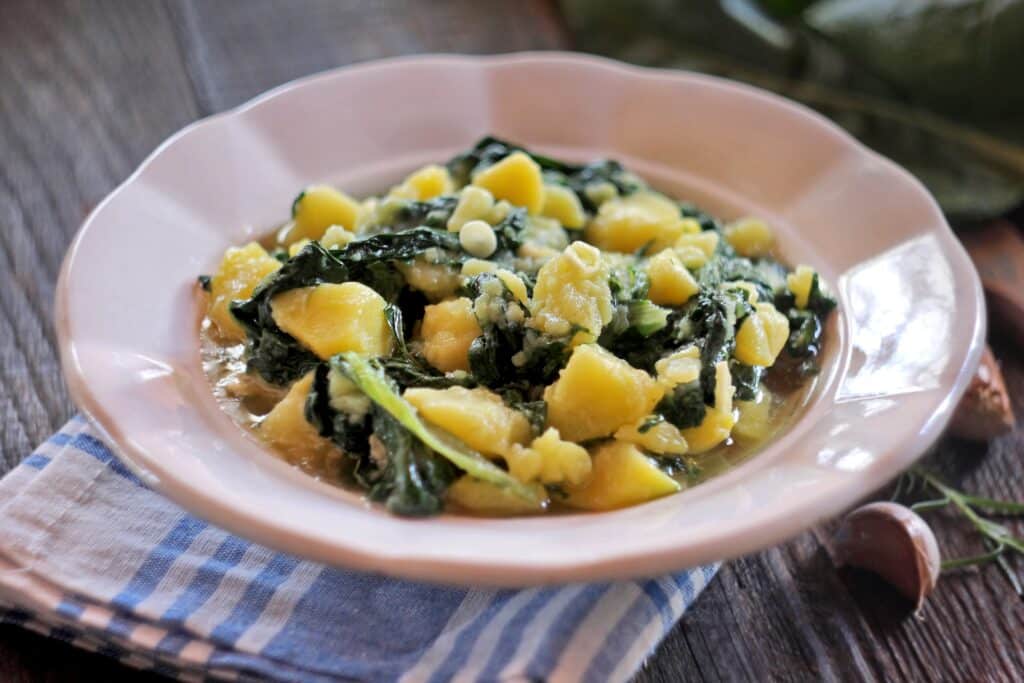
Olive oil is used in almost every dish in Dalmatia

Flavours of the Islands and the Coast

Split-Dalmatia County encompasses a diverse range of olive-growing areas, from island groves exposed to sea winds to plantations along the coast and in the hinterland. Among the traditionally cultivated varieties, Oblica stands out as one of the most widespread olive varieties in Dalmatia, alongside other indigenous and well-established varieties that contribute to the diversity of local olive oils.

The island of Brač holds a special place in the region’s olive-growing tradition, with approximately one million olive trees growing across the island. Olive cultivation is also an important part of the island heritage of Hvar and Šolta, where olive oil production brings together family farms, local producers and the hospitality sector.

Differences between olive oils are the result of natural conditions and production methods. Tasting oils from different parts of the county therefore offers a fascinating insight into the richness and diversity of the local terroir.

The Finishing Touch to Every Dish

In Dalmatian cuisine, olive oil is not merely an addition but a fundamental ingredient. It is used to season fresh fish and seafood, salads, cooked vegetables, Swiss chard with potatoes and many other dishes. Just a few drops of high-quality extra virgin olive oil are enough to enhance the natural flavours of the ingredients and bring a dish together without masking its distinctive character.

One of the simplest ways to enjoy olive oil is to taste it with a piece of homemade bread. It is precisely in such simple combinations that its fruity aromas, freshness and characteristic peppery finish truly come into their own.

An Experience, Not Just a Product

For visitors to Split-Dalmatia County, olive oil offers a wonderful reason to venture beyond the restaurant and discover the land behind the food. A visit to an olive grove, olive mill or tasting room provides an opportunity to see how the olives are harvested, learn how to recognise high-quality olive oil and discover why every bottle has a story of its own.
Olive Harvesting in Dalmatia: From the Olive Grove to the First Drop of Oil

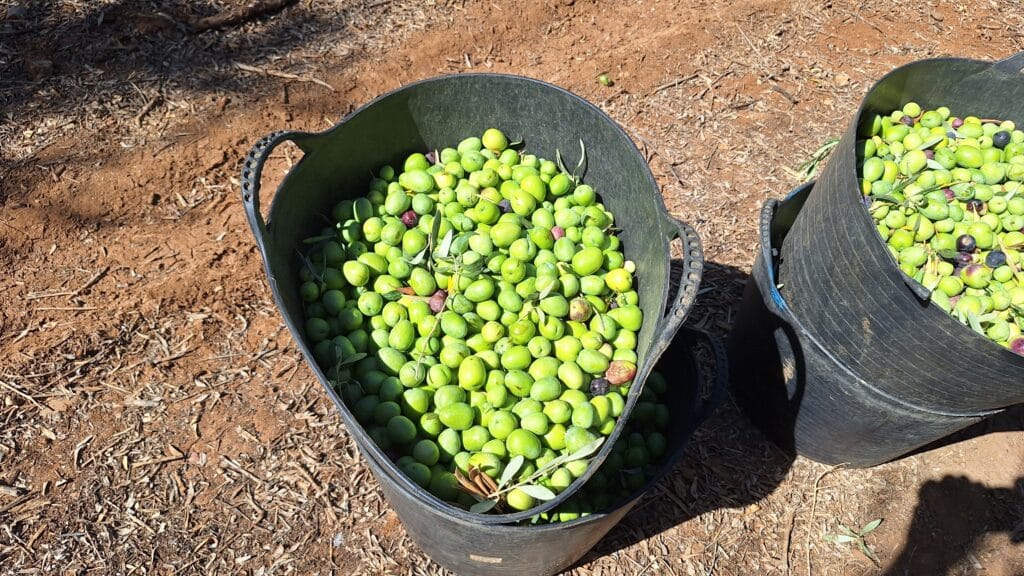
Olive harvesting in Dalmatia is more than just agricultural work, it is an autumn ritual that brings families, neighbours and entire villages together. In October and November, olive groves come alive with people, nets are spread beneath the trees, and olive mills work at full capacity until the first drop of oil is produced.

When Does the Harvest Take Place?

There is no single date that applies to all of Dalmatia. The harvest depends on the olive variety and the location of the grove, but it most often takes place from the second half of October until the end of November. In some areas, growers begin as early as the start of October, while others wait for the olives to ripen and accumulate more oil.

Oblica is a dual-purpose olive variety. Its fruit contains around 17–22% oil and produces an oil that is fruity, mildly bitter and peppery. These are not flaws, but signs of quality: the bitterness and peppery notes come from natural antioxidants, particularly polyphenols.

Hand-Picking and Harvesting Nets

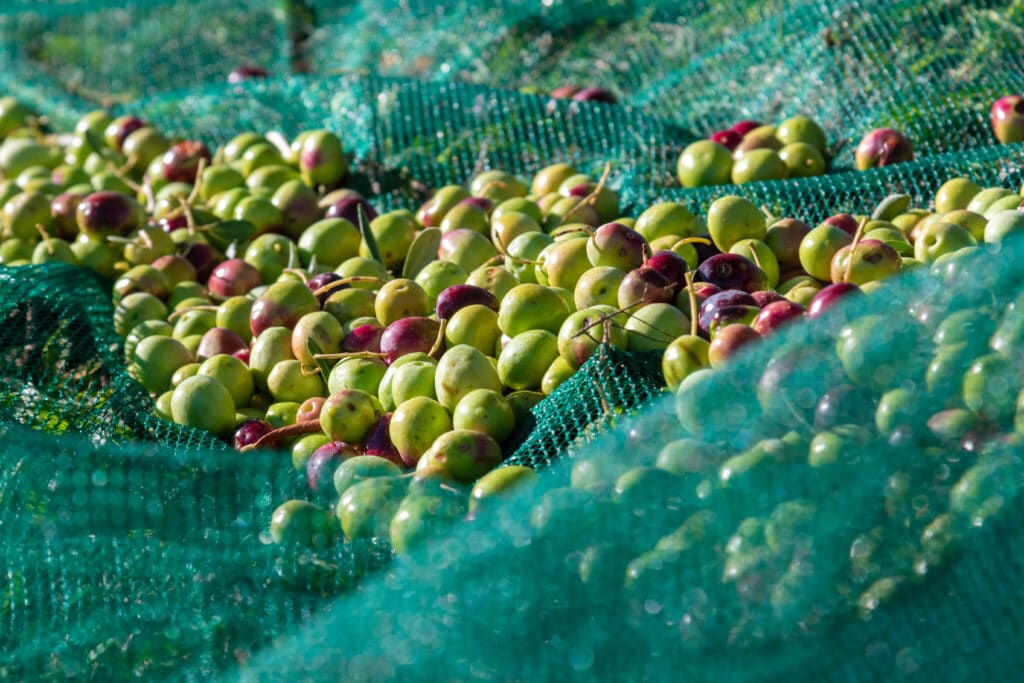
In Dalmatia, olives are most often harvested by hand or with the help of lightweight combs and mechanical shakers. Nets are spread beneath the trees, and the olives are carefully removed from the branches, falling onto the nets below. This method is slower, but it causes less damage to the olives and helps preserve their quality.

Harvesting is often a family affair: some people hold the nets, others pick the olives, while others make sure the fruit is not crushed. The work is accompanied by conversation, lunch with a homemade meal, and a strong sense of togetherness. That is why the olive harvest in Dalmatia is remembered not just as work, but also as a time for gathering and sharing.

What Happens After the Harvest?

After picking, the olives are transported to the olive mill as soon as possible, ideally within 24 to 48 hours, to preserve the oil’s freshness, aroma and low acidity. At the mill, the olives are washed, crushed and processed using mechanical methods. Higher-quality oils are produced through cold processing, which helps preserve their aromas and polyphenols. After extraction, the oil is stored in stainless steel tanks, protected from light and oxygen, until it is bottled.

The First Drops of Oil

Everything happens quickly at the olive mill. The olives are washed, crushed and processed, while the aroma of fresh green olives fills the air. For many olive growers, the first drops of oil flowing from the machine are the most important moment of the season. This is when they discover whether it has been a good year, whether the harvest took place at the right time, and whether the olives arrived healthy and undamaged.

For visitors, the harvest may be the best opportunity to understand just how much work goes into a single bottle of olive oil. It is not just about olives and machinery, but also about the people who return to the groves every autumn, spread the nets, pick the fruit and wait for the first aroma of freshly made oil.

Brač: The Island of a Million Olive Trees

Brač is known not only for Zlatni Rat beach, its white stone and lamb, but also as Croatia’s largest olive-growing region. Around one million olive trees grow on the island, where olive cultivation has been part of the local identity and way of life for centuries.

The Origins of Olive Growing on Brač

The earliest written references to olive cultivation on Brač are associated with the Roman writer Strabo, who lived in the first century BC. The island’s most important olive variety is Oblica, an indigenous Dalmatian olive also listed as “Brač” in the international catalogue of olive varieties. It accounts for most of Brač’s olive oil production and helps explain the distinctive character of the island’s oil.

Oblica is a dual-purpose variety, with oil content ranging from 17 % to 22 % in the fruit. It produces fruity olive oil with a mild bitterness and peppery notes. These are not flaws, but indicators of quality: the bitterness and pungency come from natural antioxidants, particularly polyphenols.

What is“Brač Olive Oil”?

“Brač Olive Oil” is more than just a marketing name. It is extra virgin olive oil that received Protected Designation of Origin (PDO) status from the European Union in 2022. This means it is produced exclusively on the island of Brač, using olives grown on the island, and must meet strict production standards.

For olive oil carrying this designation, Oblica must account for at least 80% of the olives used, while other varieties may make up no more than 20%. The oil is obtained exclusively through mechanical processes and is characterised by low acidity, a high content of phenolic compounds, and balanced bitterness and pungency.

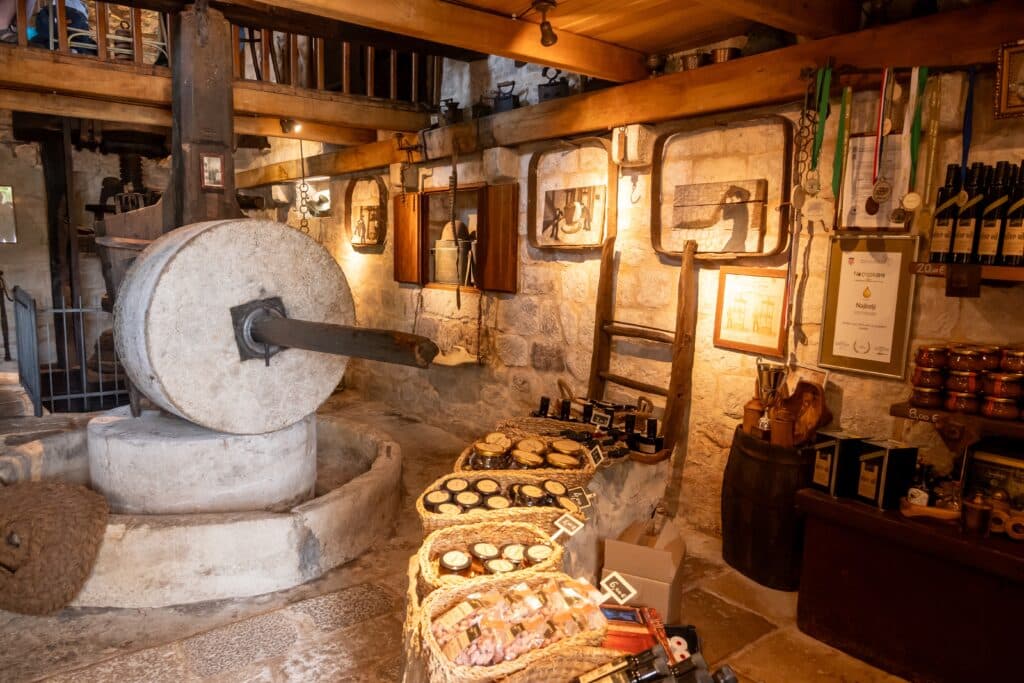
Olive oil museum, Škrip, Brač

How to Taste Brač Olive Oil

Brač olive oil has a fresh aroma reminiscent of green olives, grass and leaves. On the palate, it is usually well balanced, revealing fruitiness, mild bitterness and a peppery sensation at the back of the throat.

The best way to taste it is simple: pour a little oil into a glass or drizzle it over white bread, warm the glass gently in your hands, take a brief sniff and then a small sip. This makes it easier to recognise the difference between fresh, high-quality olive oil and oil that has lost its aroma.

What to Serve It With

Brač olive oil is at its best when it enhances rather than overpowers the flavour of food. It pairs beautifully with grilled white fish, cooked vegetables, fresh salads, potatoes, cheese and bread. Its balanced profile makes it ideal for everyday use, not just special occasions.

For a combination that captures the true spirit of the island, try Brač cheese, homemade bread, olives and a drizzle of Brač olive oil. Add a glass of Plavac Mali, and you have a simple introduction to why Brač is known as the island of olives.

Where to Taste It

Brač olive oil is easiest to sample at olive mills and family-run farms, particularly in Supetar, Postira, Bol and the surrounding area. Many producers offer tastings, sell their products directly from the farm, and explain the differences between harvests, olive varieties and processing methods. A special place in this story belongs to the Olive Oil Museum in Škrip, where visitors can discover how olive oil was traditionally produced, explore old stone mills and traditional tools, and taste local products from the island.

Oblica: The Olive Variety That Shaped Dalmatian Olive Growing

Oblica is one of the most recognisable olive varieties along the Croatian coast, and its story is deeply intertwined with the Dalmatian way of life. For generations, this variety has played an important role in local agriculture and cuisine. Its value lies not only in the olive oil it produces, but also in its excellent adaptation to the Dalmatian climate, characterised by hot, dry summers and rocky soils.

A Variety Adapted to Dalmatia’s Rocky Terrain

Oblica is an indigenous Dalmatian olive variety and one of the most widely grown olive varieties in Croatia. It tolerates drought, wind and challenging growing conditions, which has helped it spread across numerous olive-growing areas along the Adriatic coast. In Split-Dalmatia County, it is part of a long-standing olive-growing tradition on the islands and along the coast, where olive groves are often found on rocky, difficult-to-cultivate terrain.

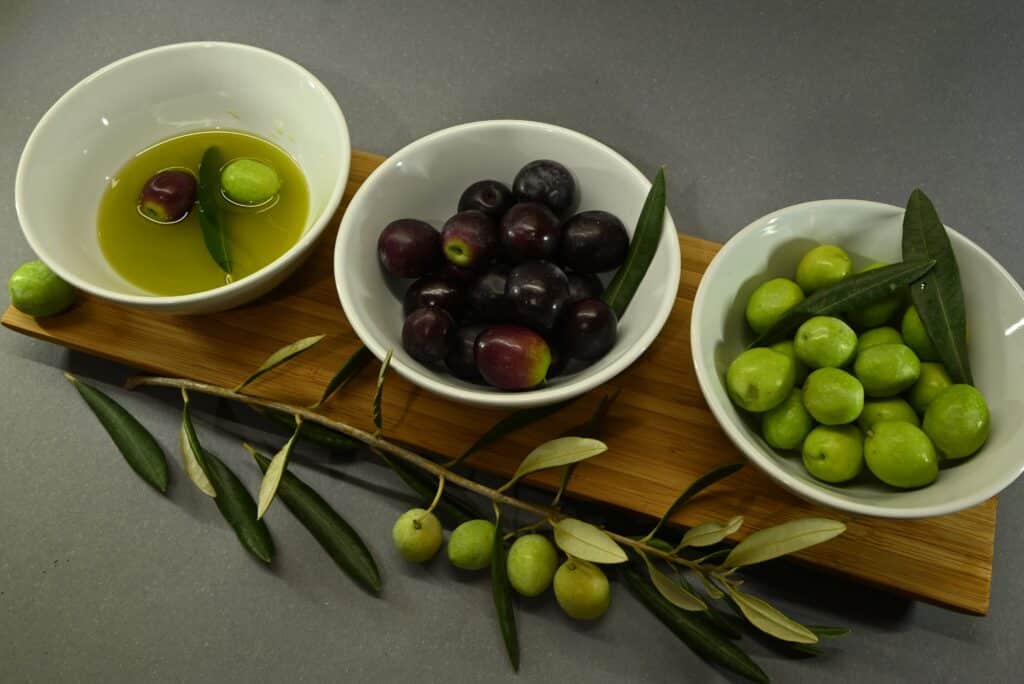
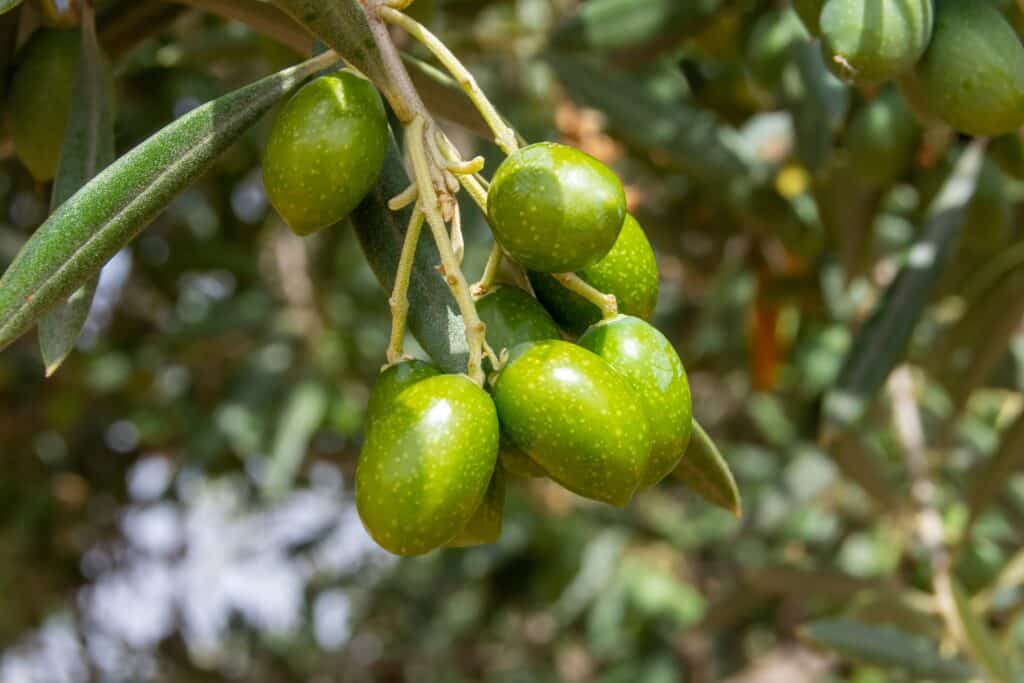
The fruit of Oblica is relatively large and round, and the variety is used both for olive oil production and for table olives. This dual purpose has contributed to its widespread cultivation, allowing the olives to be used in different ways depending on household needs and the size of the harvest.

However, resilience in challenging conditions does not mean that Oblica produces the same yield every year. Productivity is influenced by weather conditions during flowering, water availability, pollination and tree care. This is why the experience of olive growers and their knowledge of their own groves remain essential to production.

What Kind of Olive Oil Does Oblica Produce?

Olive oil made from Oblica can have pronounced fruitiness, accompanied by bitterness and a peppery finish, with the intensity of these characteristics depending on fruit ripeness, growing region and processing methods. Oil made from earlier-harvested olives may display more green, grassy and fresh notes, while its aromatic profile changes as the fruit ripens. The character of the oil is therefore shaped not only by the variety itself, but also by the grower’s choice of harvest time and the extraction process.

To preserve quality, healthy olives should be processed promptly, with careful handling during harvesting and transport. High-quality olive oil is not made at the mill alone: its potential is developed throughout the year through pruning, tree care and monitoring the health of the olive grove.

Oblica olives are also enjoyed as table olives in households. Their relatively large fruit makes them well suited to this purpose, allowing the variety to play a role in both olive oil production and the traditional preparation of olives for eating.

Olive Growing as Part of Local Identity

In Split-Dalmatia County, olive growing is much more than an agricultural activity. Olive groves are an integral part of the island and coastal landscape, and the work of caring for the trees is often passed down from one generation to the next. Pruning, maintaining dry-stone walls, harvesting and transporting the olives to the mill are all part of an annual rhythm that connects families to their land.

Oblica is not the only variety grown in central Dalmatia, but its widespread cultivation and adaptability make it an important part of the region’s olive-growing heritage. In many groves, it grows alongside other indigenous varieties that contribute to the diversity of local olive oils and help preserve the region’s traditional range of cultivars.

When homemade olive oil is brought to the table, its flavour reflects a whole series of decisions and tasks, from caring for the tree to choosing the right moment to process the fruit. This is what makes Oblica special: it connects Dalmatia’s natural conditions with the generations of experience of the people who have made olive growing part of everyday life.