Olive Harvesting in Dalmatia: From the Olive Grove to the First Drop of Oil
Date
29.10.2026
Reading Time
3 min
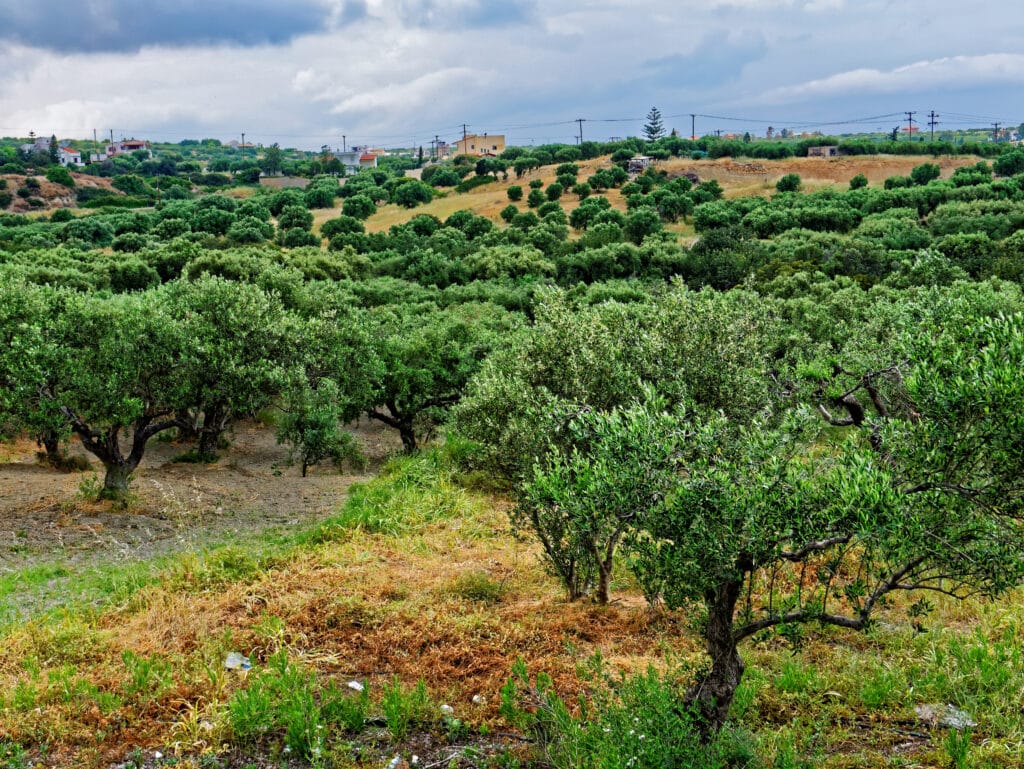
Olive harvesting in Dalmatia is more than just agricultural work, it is an autumn ritual that brings families, neighbours and entire villages together. In October and November, olive groves come alive with people, nets are spread beneath the trees, and olive mills work at full capacity until the first drop of oil is produced.
When Does the Harvest Take Place?
There is no single date that applies to all of Dalmatia. The harvest depends on the olive variety and the location of the grove, but it most often takes place from the second half of October until the end of November. In some areas, growers begin as early as the start of October, while others wait for the olives to ripen and accumulate more oil.
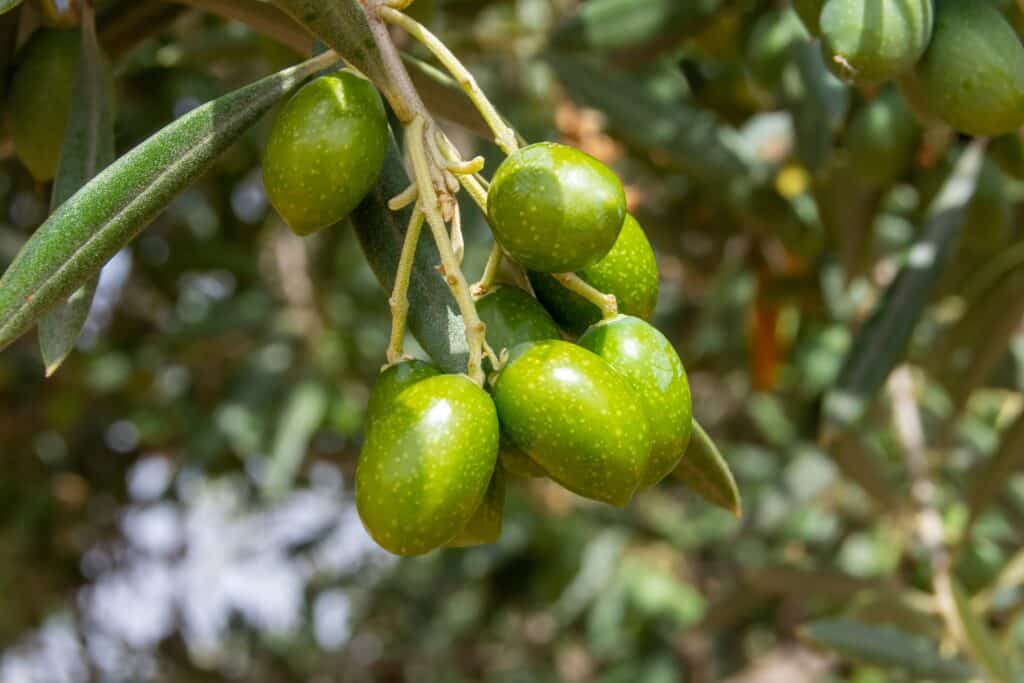
Oblica is a dual-purpose olive variety. Its fruit contains around 17–22% oil and produces an oil that is fruity, mildly bitter and peppery. These are not flaws, but signs of quality: the bitterness and peppery notes come from natural antioxidants, particularly polyphenols.
Hand-Picking and Harvesting Nets
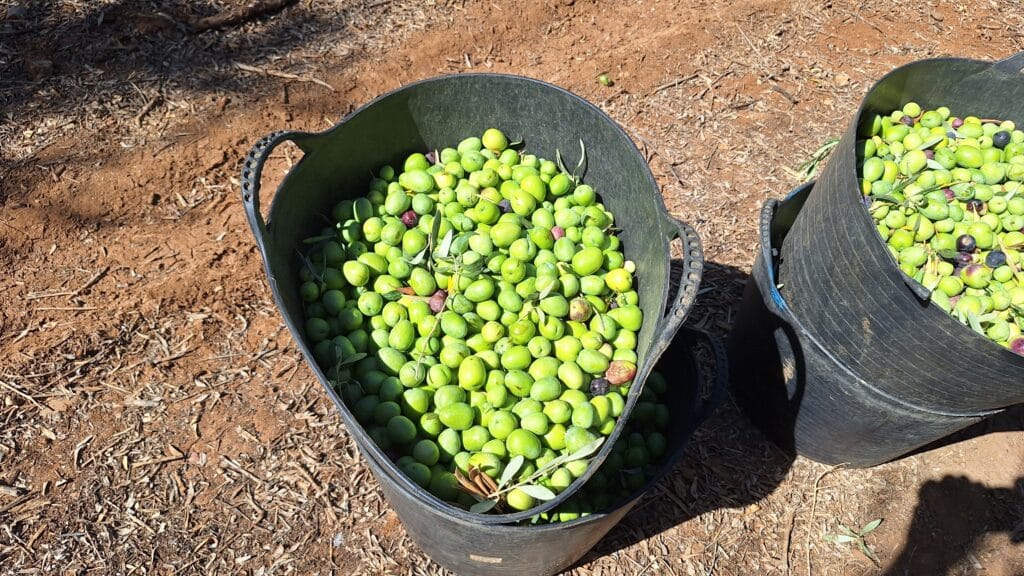
In Dalmatia, olives are most often harvested by hand or with the help of lightweight combs and mechanical shakers. Nets are spread beneath the trees, and the olives are carefully removed from the branches, falling onto the nets below. This method is slower, but it causes less damage to the olives and helps preserve their quality.
Harvesting is often a family affair: some people hold the nets, others pick the olives, while others make sure the fruit is not crushed. The work is accompanied by conversation, lunch with a homemade meal, and a strong sense of togetherness. That is why the olive harvest in Dalmatia is remembered not just as work, but also as a time for gathering and sharing.
What Happens After the Harvest?
After picking, the olives are transported to the olive mill as soon as possible, ideally within 24 to 48 hours, to preserve the oil’s freshness, aroma and low acidity. At the mill, the olives are washed, crushed and processed using mechanical methods. Higher-quality oils are produced through cold processing, which helps preserve their aromas and polyphenols. After extraction, the oil is stored in stainless steel tanks, protected from light and oxygen, until it is bottled.
The First Drops of Oil
Everything happens quickly at the olive mill. The olives are washed, crushed and processed, while the aroma of fresh green olives fills the air. For many olive growers, the first drops of oil flowing from the machine are the most important moment of the season. This is when they discover whether it has been a good year, whether the harvest took place at the right time, and whether the olives arrived healthy and undamaged.
For visitors, the harvest may be the best opportunity to understand just how much work goes into a single bottle of olive oil. It is not just about olives and machinery, but also about the people who return to the groves every autumn, spread the nets, pick the fruit and wait for the first aroma of freshly made oil.