Oblica: The Olive Variety That Shaped Dalmatian Olive Growing
Date
29.10.2026
Reading Time
3 min
Oblica is one of the most recognisable olive varieties along the Croatian coast, and its story is deeply intertwined with the Dalmatian way of life. For generations, this variety has played an important role in local agriculture and cuisine. Its value lies not only in the olive oil it produces, but also in its excellent adaptation to the Dalmatian climate, characterised by hot, dry summers and rocky soils.
A Variety Adapted to Dalmatia’s Rocky Terrain
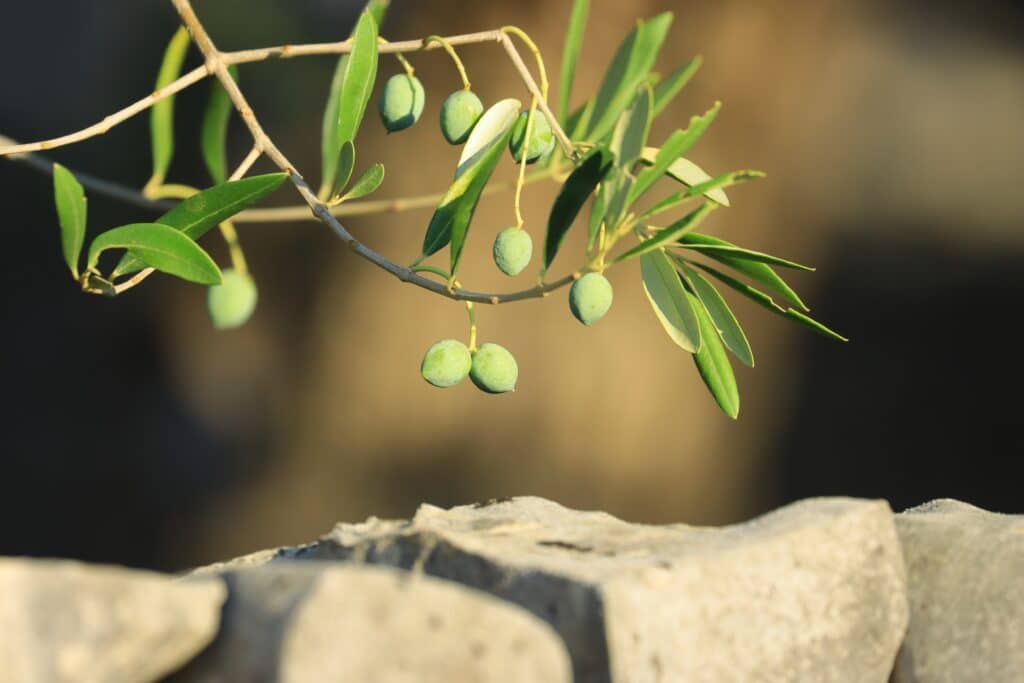
Oblica is an indigenous Dalmatian olive variety and one of the most widely grown olive varieties in Croatia. It tolerates drought, wind and challenging growing conditions, which has helped it spread across numerous olive-growing areas along the Adriatic coast. In Split-Dalmatia County, it is part of a long-standing olive-growing tradition on the islands and along the coast, where olive groves are often found on rocky, difficult-to-cultivate terrain.
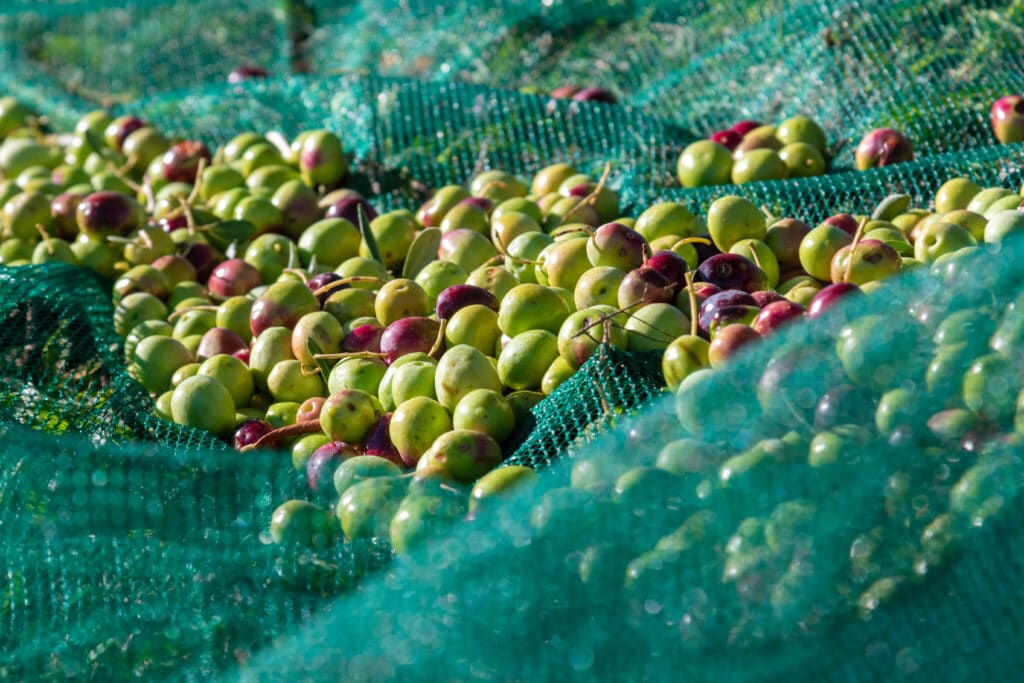
The fruit of Oblica is relatively large and round, and the variety is used both for olive oil production and for table olives. This dual purpose has contributed to its widespread cultivation, allowing the olives to be used in different ways depending on household needs and the size of the harvest.
However, resilience in challenging conditions does not mean that Oblica produces the same yield every year. Productivity is influenced by weather conditions during flowering, water availability, pollination and tree care. This is why the experience of olive growers and their knowledge of their own groves remain essential to production.
What Kind of Olive Oil Does Oblica Produce?
Olive oil made from Oblica can have pronounced fruitiness, accompanied by bitterness and a peppery finish, with the intensity of these characteristics depending on fruit ripeness, growing region and processing methods. Oil made from earlier-harvested olives may display more green, grassy and fresh notes, while its aromatic profile changes as the fruit ripens. The character of the oil is therefore shaped not only by the variety itself, but also by the grower’s choice of harvest time and the extraction process.
To preserve quality, healthy olives should be processed promptly, with careful handling during harvesting and transport. High-quality olive oil is not made at the mill alone: its potential is developed throughout the year through pruning, tree care and monitoring the health of the olive grove.
Oblica olives are also enjoyed as table olives in households. Their relatively large fruit makes them well suited to this purpose, allowing the variety to play a role in both olive oil production and the traditional preparation of olives for eating.
Olive Growing as Part of Local Identity
In Split-Dalmatia County, olive growing is much more than an agricultural activity. Olive groves are an integral part of the island and coastal landscape, and the work of caring for the trees is often passed down from one generation to the next. Pruning, maintaining dry-stone walls, harvesting and transporting the olives to the mill are all part of an annual rhythm that connects families to their land.
Oblica is not the only variety grown in central Dalmatia, but its widespread cultivation and adaptability make it an important part of the region’s olive-growing heritage. In many groves, it grows alongside other indigenous varieties that contribute to the diversity of local olive oils and help preserve the region’s traditional range of cultivars.
When homemade olive oil is brought to the table, its flavour reflects a whole series of decisions and tasks, from caring for the tree to choosing the right moment to process the fruit. This is what makes Oblica special: it connects Dalmatia’s natural conditions with the generations of experience of the people who have made olive growing part of everyday life.