
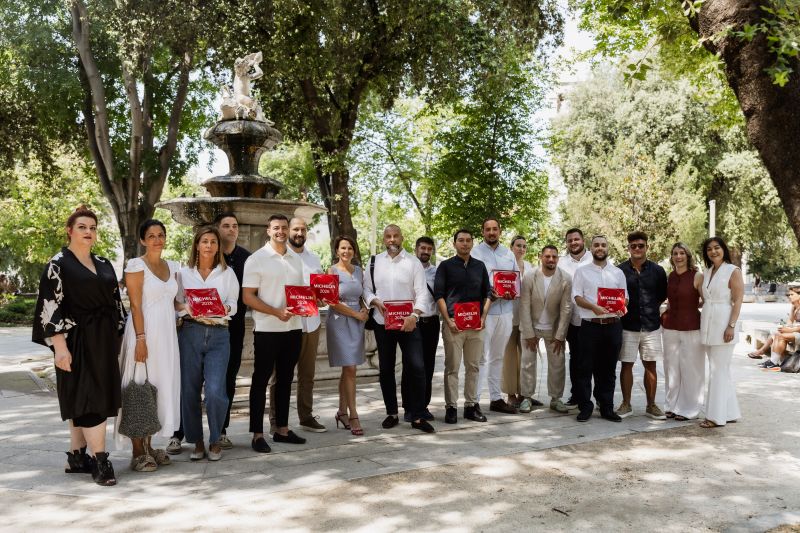
Central Dalmatia Strengthens Its Position as One of Croatia’s Leading Gastronomic Destinations

Split-Dalmatia County continues to strengthen its reputation as a gastronomic destination, supported by the quality of its restaurants, the dedication of its chefs and its rich culinary heritage. According to the 2026 edition of the Michelin Guide, the county is home to a total of 21 restaurants recognised by Michelin.

Among this year’s highlights, Krug restaurant in Split has retained its Michelin star, while Ješka restaurant in Makarska has received a Michelin recommendation.

To mark these achievements, a formal reception was held by Blaženko Boban, Prefect of Split-Dalmatia County, highlighting the important role of local restaurateurs and chefs as ambassadors of Dalmatian gastronomy and tourism.

From Split and Trogir to the Makarska Riviera and the islands of Brač and Hvar, local hospitality professionals continue to preserve Dalmatia’s authentic flavours and create distinctive culinary experiences that enrich the region’s tourism offering.

These recognitions further underline Central Dalmatia’s potential as a gastronomic destination ahead of 2027, when the region will hold the title of European Region of Gastronomy. The title offers an opportunity to further promote local produce, culinary traditions and contemporary Dalmatian cuisine to international audiences.

https://guide.michelin.com/hr/en/split-dalmatia/restaurants

Ivan Barčot Represents Central Dalmatia at the European Young Chef Award

Through his participation, Barčot was appointed the official ambassador of Central Dalmatia to IGCAT, opening up new opportunities to promote the region’s gastronomy and culinary heritage internationally in cooperation with the Institute. His role as ambassador further strengthens collaboration with IGCAT and helps raise the profile of local gastronomic traditions at the European level.

The objectives of the competition are:

Promoting innovation in traditional cuisine

Local food cultures are an important source of innovation. Traditions that have evolved over centuries form a key part of the DNA of food cultures and regional gastronomy. Local knowledge therefore represents significant potential for developing innovative products and experiences.

Highlighting sustainable food cultures

Sustainable local, regional and global food systems are essential to our shared future. The Young Chef Award therefore aims to encourage discussion of sustainable practices in gastronomy, food production and consumption.

Creating future ambassadors for local food products

Local food products are often unique to the areas from which they originate. Regional culture also creates a distinctive identity that highlights the added value of local products. By giving visibility to young and emerging chefs who champion local ingredients and products, the competition seeks to contribute to more sustainable, high-quality gastronomic experiences.