Plavac Mali: The King of the Adriatic’s Red Grape Varieties
Date
28.10.2026
Reading Time
3 min
If Dalmatia could be captured in a single glass, it would most often be Plavac Mali. Grown on sun-drenched, rocky slopes overlooking the sea, it is now the most recognisable red wine of Croatia’s coast and islands.
A Wine of Stone, Sun and Sea
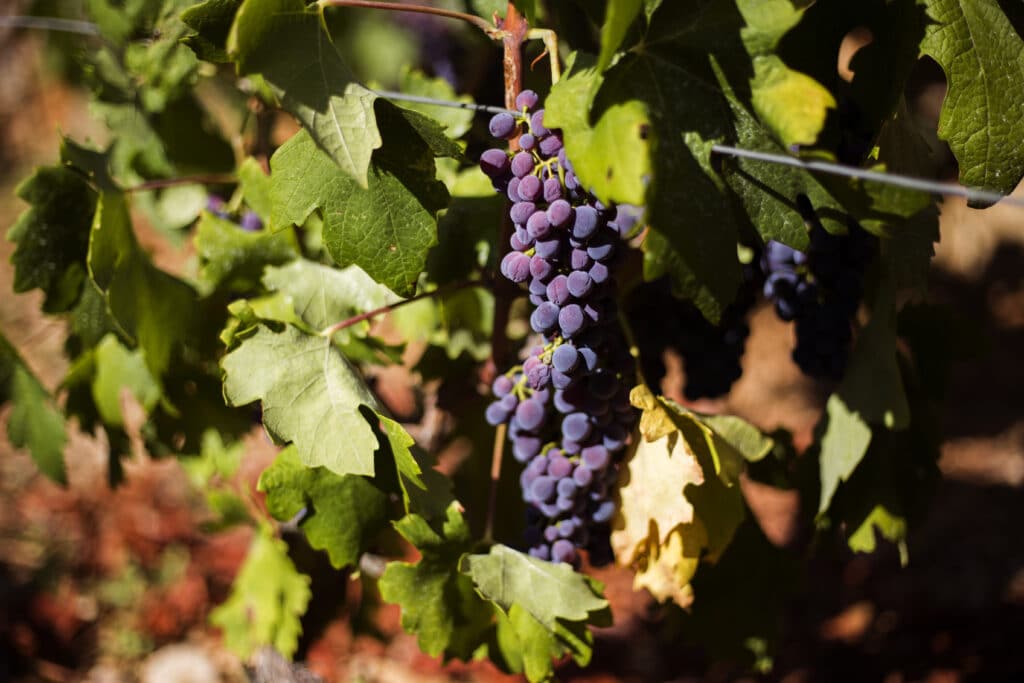
Plavac Mali is the most widely planted red wine grape variety along the Dalmatian coast and islands. It originated from a natural crossing of Crljenak Kaštelanski, known worldwide as the ancestor of Zinfandel, and Dobričić, a variety native to the island of Šolta. This indigenous red grape produces full-bodied wines with deep colour and a distinctive Mediterranean character. It thrives on rocky, sun-drenched slopes overlooking the sea, where harvesting is often still done by hand and the vineyards seem to emerge straight from the rock. It is this very combination of stone, sunshine, salty air and patience that makes Plavac Mali so distinctive.
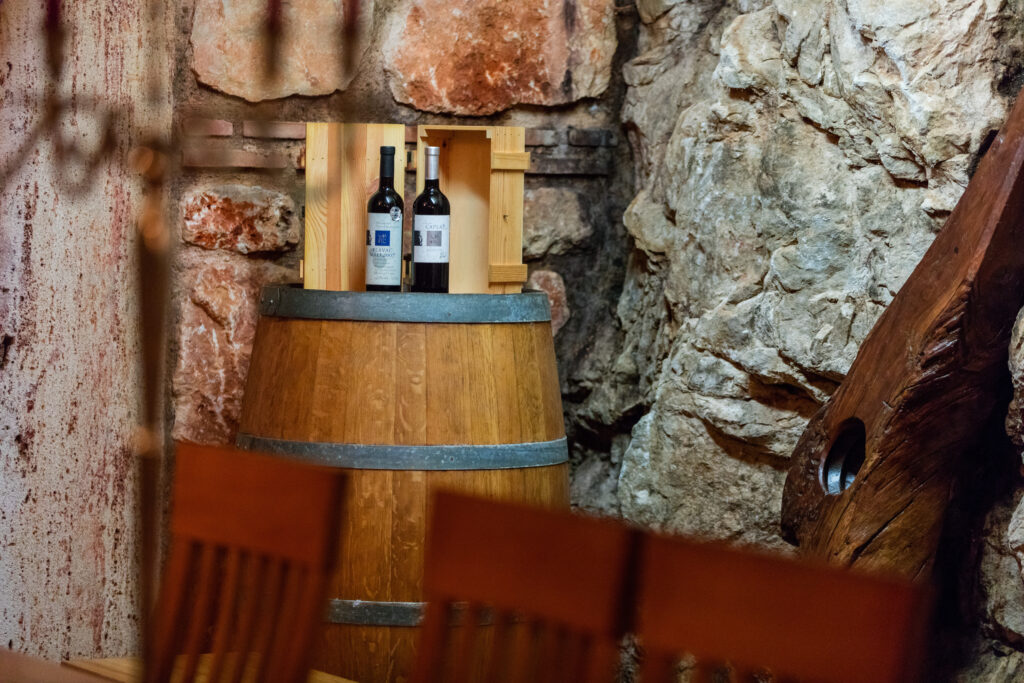
The vineyards of Hvar, particularly around Sveta Nedjelja and Ivan Dolac, as well as those on the Pelješac Peninsula in the renowned Dingač and Postup wine-growing areas, produce concentrated red wines with excellent ageing potential. The same grape variety, however, can yield very different wines. On Brač and Vis, Plavac Mali is often fresher and more balanced, while wines from the warmest southern slopes tend to be fuller-bodied, riper and more powerful. That is why there is no single “true” expression of Plavac Mali.
What’s in the Glass
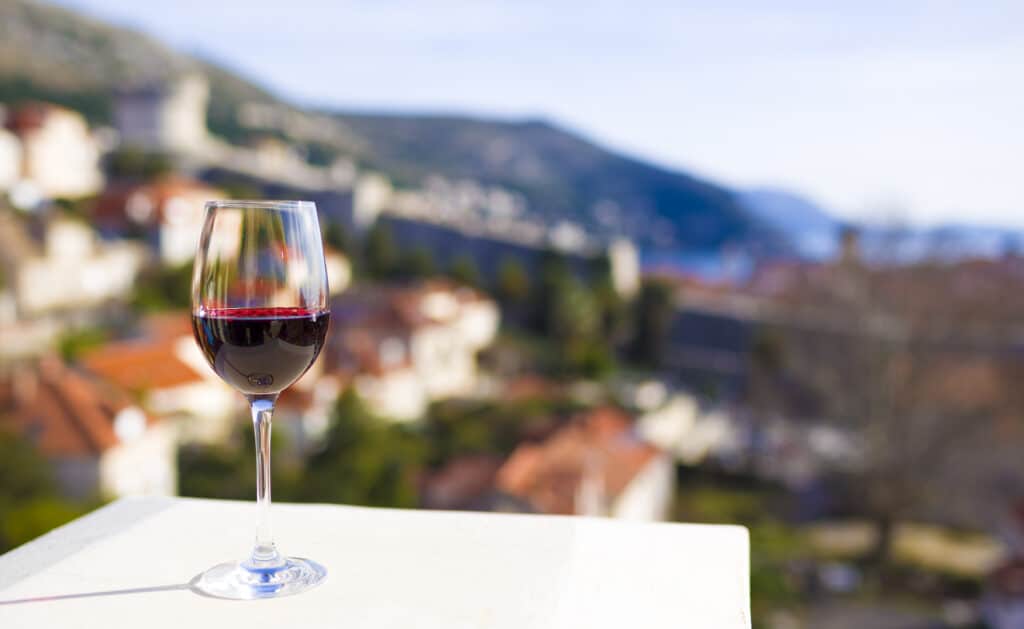
Plavac Mali is typically a dry red wine with a deep ruby colour, full body and pronounced tannins. Thanks to the sun-drenched growing sites and the grape’s late ripening, alcohol levels are often high, ranging from 13% to 16%, resulting in expressive, concentrated wines. However, not all Plavac Mali wines are the same. Younger examples can be fruitier, while wines from Dingač, Postup or the southern slopes of Hvar often have greater body, firmer tannins and a longer finish. The differences are shaped not only by the winery, but also by the vineyard site, the vintage and the ageing process.
What to Pair with Plavac Mali
Plavac Mali pairs best with dishes that can stand up to its bold character. It goes particularly well with roasted lamb, especially spit-roasted or slow-cooked under a traditional peka bell, as well as aged steak and roasted red meat. It is also an excellent match for rich Dalmatian dishes such as pašticada, a traditional slow-braised beef dish, or moussaka. If you prefer fish, opt for a larger white fish grilled over an open flame and drizzled with olive oil, particularly when enjoying a fresher style of Plavac Mali. Served alongside Dalmatian prosciutto, aged sheep’s milk cheeses and olives, Plavac Mali becomes a natural part of the Dalmatian table.