
Hobotnica na gulaš s domaćim njokima

U gastronomiji Splitsko-dalmatinske županije more je oduvijek bilo važan izvor namirnica i nadahnuća. Među jelima koja povezuju bogatstvo Jadrana s domaćom kuhinjom nalazi se hobotnica na gulaš s domaćim njokima, jelo koje spaja morske okuse s toplinom tradicionalnog dalmatinskog stola.

Hobotnica se priprema polako, uz luk, češnjak, rajčicu, maslinovo ulje i začine, dok se dugim kuhanjem razvija bogat umak. U nekim se inačicama dodaje i vino, koje pridonosi punini okusa. Domaći njoki poslužuju se uz gulaš, upijajući aromatični umak i zaokružujući jelo.

Posebnost ovakve pripreme krije se u strpljenju i jednostavnim sastojcima koji se postupno stapaju u skladnu cjelinu. To je način kuhanja karakterističan za tradicionalnu mediteransku kuhinju, u kojoj se poštuju namirnice i njihov prirodni okus.

Hobotnica na gulaš s domaćim njokima predstavlja susret dalmatinskog mora i domaćeg umijeća pripreme tjestenine. U jednom tanjuru okuplja okuse obale, obiteljsku tradiciju i kulinarsko nasljeđe koje se nastavlja čuvati u suvremenoj dalmatinskoj kuhinji.
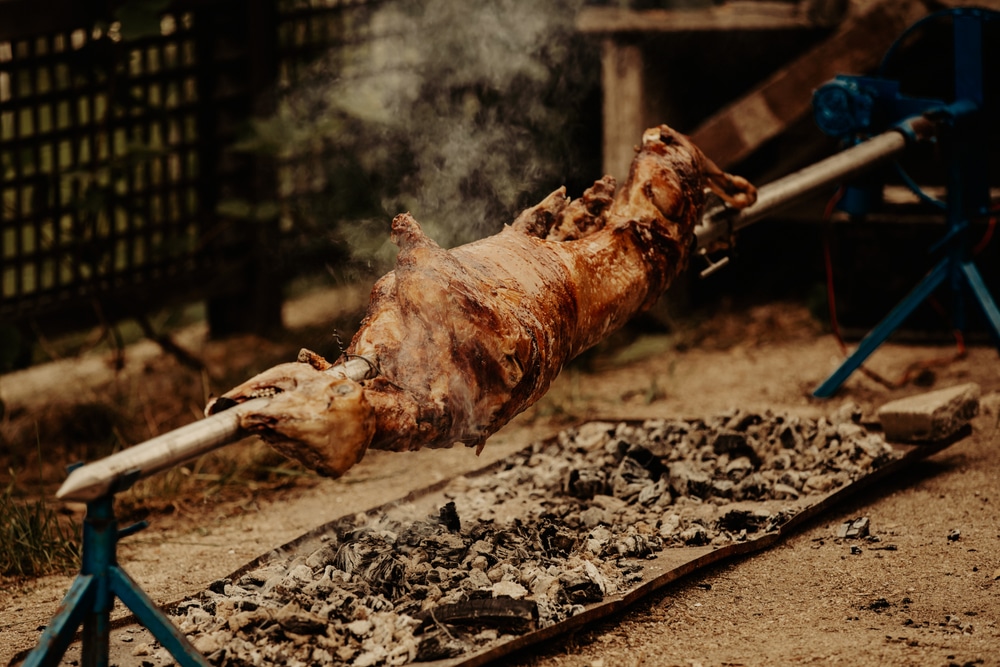
Dalmatian lamb

The rocky pastures, the scent of Mediterranean herbs and the vast landscapes of the Dalmatian hinterland have all shaped the region’s centuries-old tradition of sheep farming. This is where Dalmatian lamb comes from, a product that holds an important place in local gastronomy and in gatherings around the table.

Dalmatian lamb comes from lambs of the Dalmatian Pramenka, an indigenous Croatian sheep breed. The animals must be born, raised and slaughtered in the Dalmatia region. The lamb’s distinctive characteristics are linked to the breed and the prescribed production conditions. In 2023, the name Dalmatian Lamb was registered as a Protected Designation of Origin (PDO) by the European Union.

Dalmatian lamb is prepared in a variety of ways, depending on local customs and family recipes. Whether spit-roasted over an open fire or slow-cooked under a traditional peka bell, it is often served at celebratory lunches and family gatherings that continue long after the meal has been served.

This is an essential part of its story: Dalmatian lamb is more than a gastronomic speciality. It connects the landscape, traditional sheep farming and a way of life that has been passed down through generations in Dalmatia.

Flavours of Sardinia in Brač: Bringing Two Mediterranean Regions Together

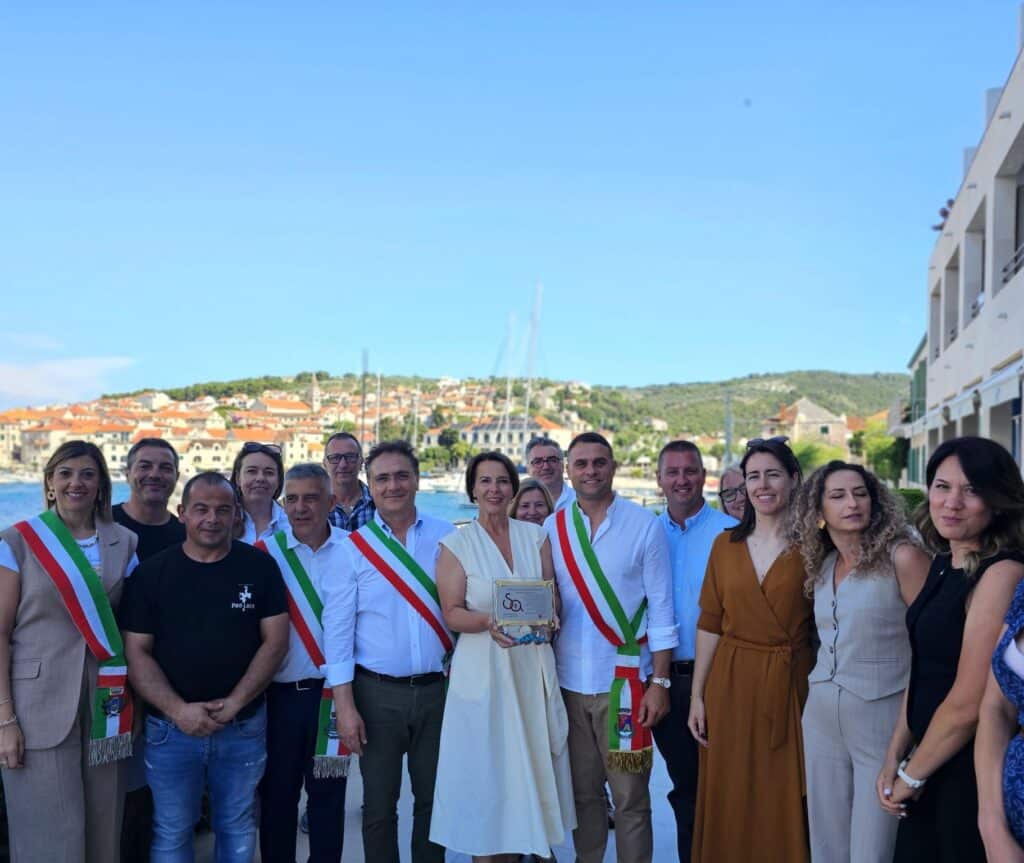
The international gathering Mediterranean Gastronomy – Flavours of Sardinia in Brač took place in Postira on the island of Brač, bringing together representatives of Sardinia and Central Dalmatia to strengthen cooperation in gastronomy, tourism, cultural heritage and sustainable development.

Participants were welcomed by Ivana Vladović, Director of the Tourist Board of Split-Dalmatia County, who highlighted the importance of connecting Mediterranean destinations through shared values, traditions and authentic flavours.

The gathering was also attended by directors of local tourist boards from the island of Brač. The official Sardinian delegation included Terenzio Schirru, Mayor of Gesico; Antonello Perra, Mayor of Siurgus Donigala; Paola Casula, Mayor of Guasila; Alessio Piras, Mayor of Selegas; and Raffaele Porru, Deputy Mayor of Selegas.

Particular emphasis was placed on presenting Sardinia’s traditional cuisine and the Saboris Antigus festival, which celebrates local culinary heritage. From Brač, the World Olive Picking Championship was presented as a notable example of how tradition, agriculture and tourism can be successfully brought together.

The meeting comes ahead of 2027, when Central Dalmatia will hold the title of European Region of Gastronomy, further highlighting the role of gastronomy as a driver of sustainable development and international cooperation.

The exchange of experiences between Brač and Sardinia once again demonstrated how gastronomy can build bridges between communities, cultures and destinations, creating new opportunities for collaboration while preserving the Mediterranean’s distinctive culinary heritage.