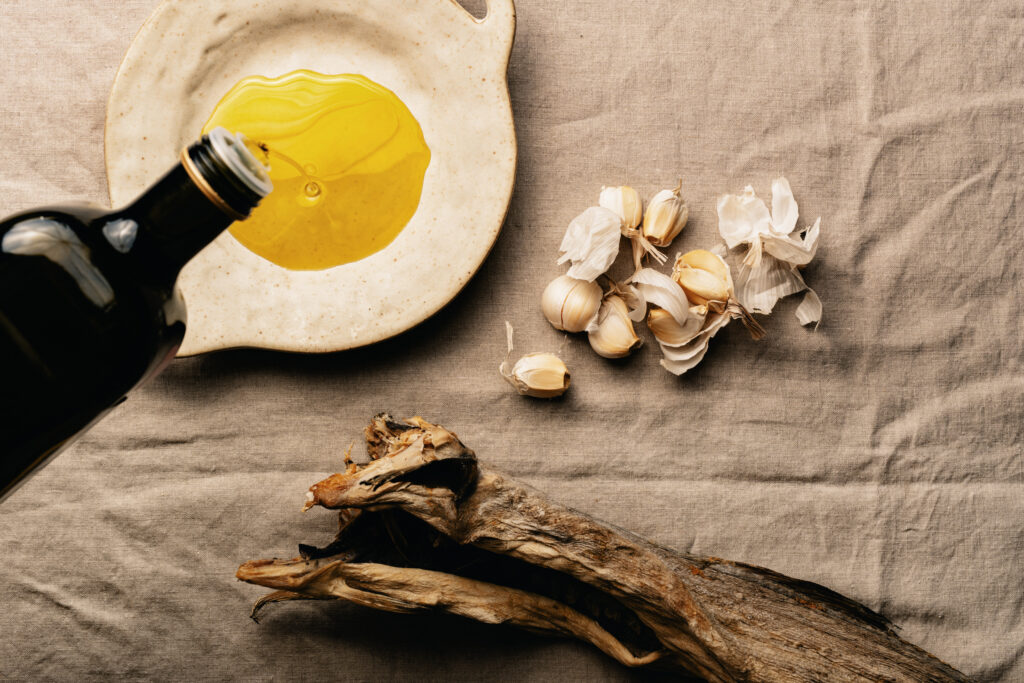
Olive oil is one of the most treasured symbols of the Mediterranean diet and an essential part of the gastronomic heritage of Split-Dalmatia County. Shaped by the sun, stone and sea, it reflects the character of the Dalmatian landscape and the centuries-old bond between people and the olive tree.
Liquid Gold
It is an integral part of the table, the landscape and family heritage, found everywhere from the rocky olive groves of Brač, Hvar, Šolta and Vis to those scattered along the coast and throughout the hinterland of Split-Dalmatia County. Shaped by the sun, sea and stone, Dalmatian olive oil carries the distinctive flavour of the land where it is born.
A Tradition Rooted in Dalmatian Soil
Olive growing has been part of everyday life here for centuries. The knowledge of pruning, harvesting and processing olives has been passed down from generation to generation, while olive groves continue to shape the landscape of the islands and coastline. That is why every bottle of quality olive oil also tells the story of the people behind it.
The Mediterranean climate, with its abundance of sunny days, mild winters and the influence of the sea, provides ideal conditions for olive cultivation. The uniqueness of local production lies in the combination of natural factors, carefully selected varieties and the expertise of olive growers, who devote special care to nurturing their trees and overseeing every stage of the production process.
From the Olive Grove to the Bottle
The journey towards producing high-quality olive oil begins in the olive grove, with the careful selection of the right time to harvest. The timing of the harvest, the condition of the fruit and the speed of processing all have a significant impact on the aroma, flavour and quality of the final product. After harvesting, the olives are processed with particular care to preserve their natural properties.
Extra virgin olive oil is obtained exclusively through mechanical processes, without chemical refining, and must meet established chemical and sensory criteria. Its quality is recognised by the harmonious balance of fruity aromas, bitterness and pungency, the intensity of which depends on the olive variety, the ripeness of the fruit and the production conditions.
The aroma and flavour of high-quality Dalmatian olive oil may reveal notes of freshly cut grass, olive leaves, artichoke, almond and other fresh plant-based aromas. Each oil has its own distinctive character, shaped by the place where the olives are grown, the variety of olive and the producer’s craftsmanship.
Olive oil is used in almost every dish in Dalmatia
Flavours of the Islands and the Coast
Split-Dalmatia County encompasses a diverse range of olive-growing areas, from island groves exposed to sea winds to plantations along the coast and in the hinterland. Among the traditionally cultivated varieties, Oblica stands out as one of the most widespread olive varieties in Dalmatia, alongside other indigenous and well-established varieties that contribute to the diversity of local olive oils.
The island of Brač holds a special place in the region’s olive-growing tradition, with approximately one million olive trees growing across the island. Olive cultivation is also an important part of the island heritage of Hvar and Šolta, where olive oil production brings together family farms, local producers and the hospitality sector.
Differences between olive oils are the result of natural conditions and production methods. Tasting oils from different parts of the county therefore offers a fascinating insight into the richness and diversity of the local terroir.
The Finishing Touch to Every Dish
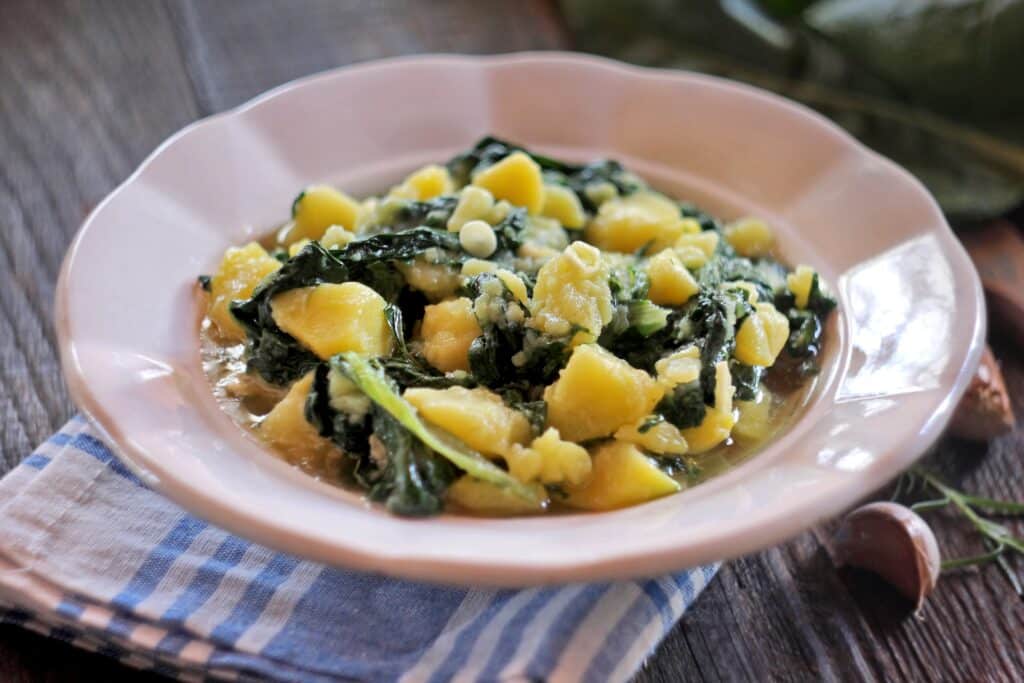
In Dalmatian cuisine, olive oil is not merely an addition but a fundamental ingredient. It is used to season fresh fish and seafood, salads, cooked vegetables, Swiss chard with potatoes and many other dishes. Just a few drops of high-quality extra virgin olive oil are enough to enhance the natural flavours of the ingredients and bring a dish together without masking its distinctive character.
One of the simplest ways to enjoy olive oil is to taste it with a piece of homemade bread. It is precisely in such simple combinations that its fruity aromas, freshness and characteristic peppery finish truly come into their own.
An Experience, Not Just a Product
For visitors to Split-Dalmatia County, olive oil offers a wonderful reason to venture beyond the restaurant and discover the land behind the food. A visit to an olive grove, olive mill or tasting room provides an opportunity to see how the olives are harvested, learn how to recognise high-quality olive oil and discover why every bottle has a story of its own.